

Norway Maple
In natural areas, Norway maple can outcompete native Acer species, decreasing forest biodiversity. Research suggests that Norway maple infestations decrease wildflower diversity in invaded habitats.
Common Name: Norway maple
Scientific Name: Acer platanoides
Native Range: Europe, West Asia

Background
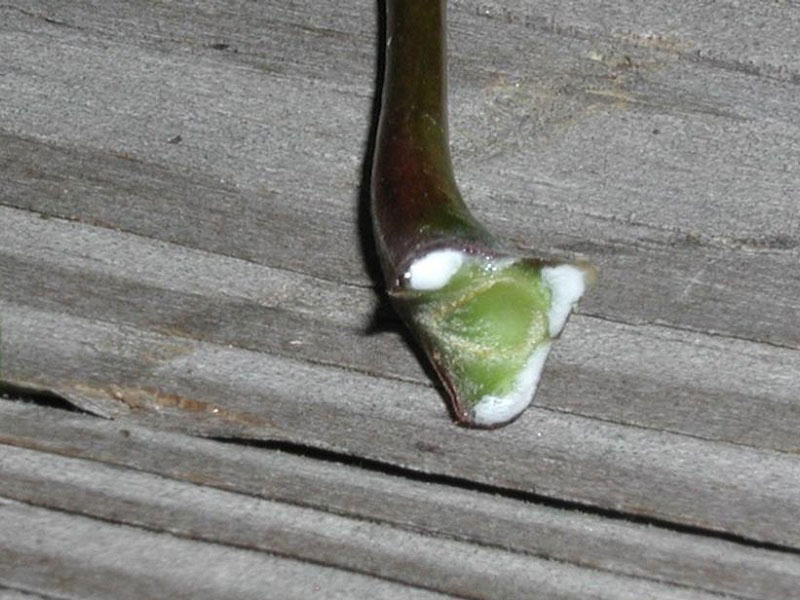
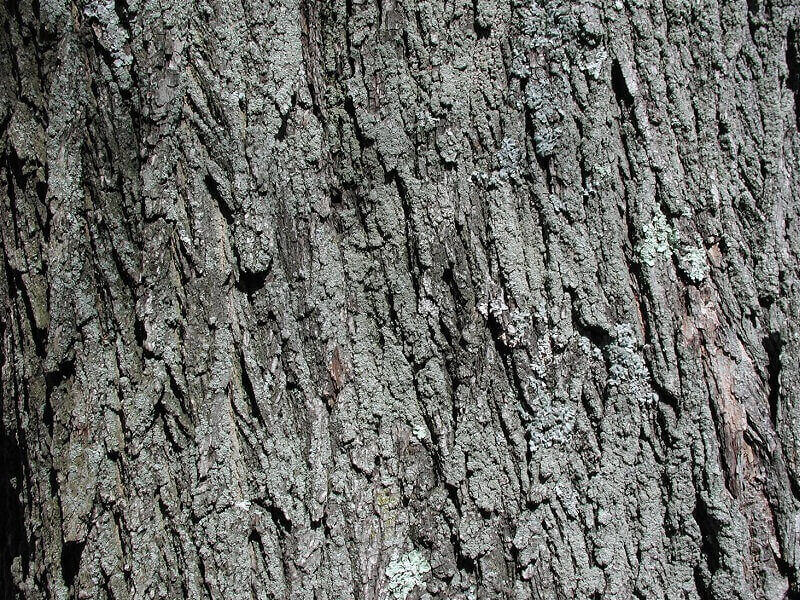
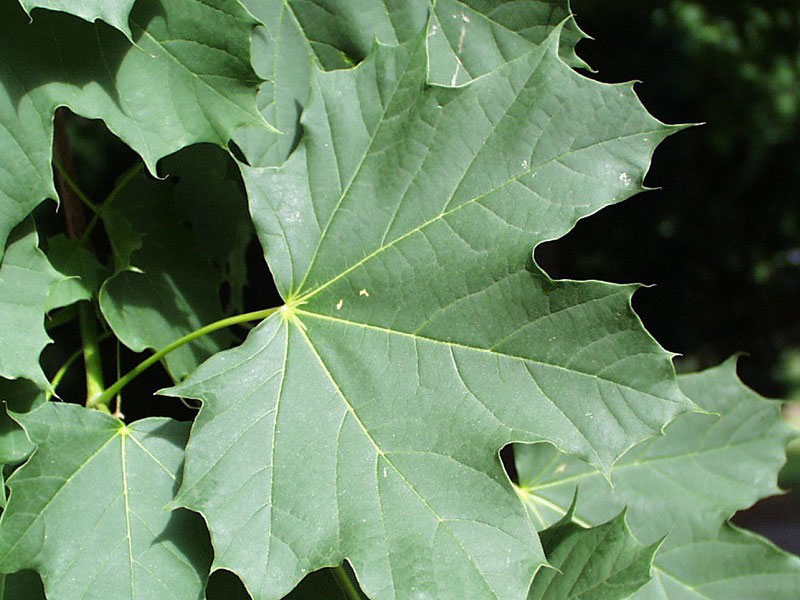
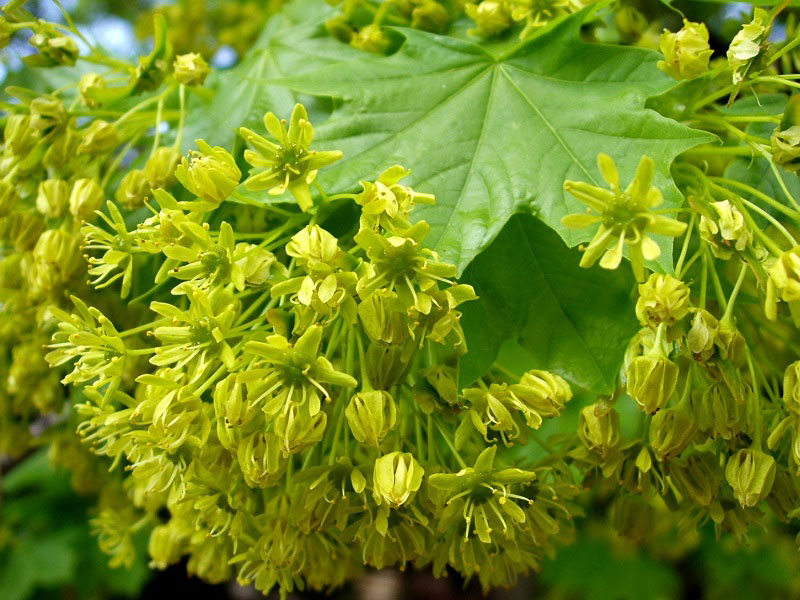
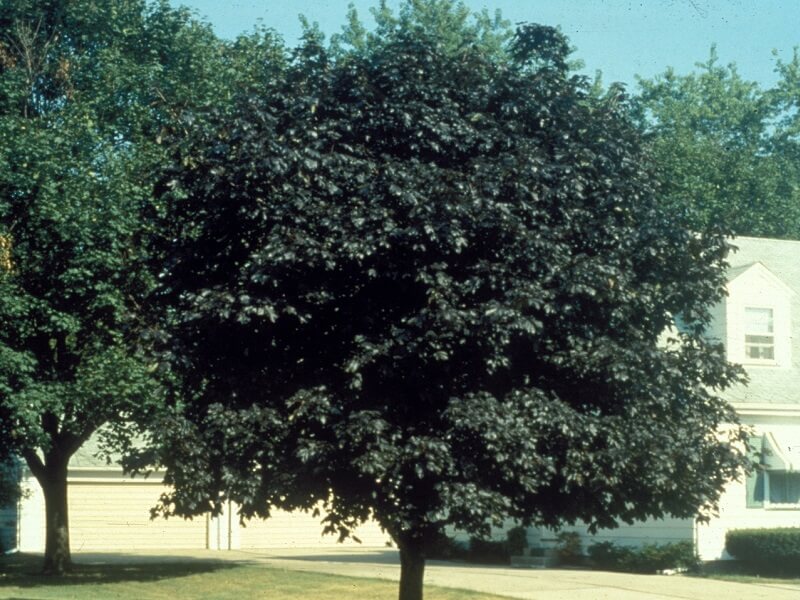
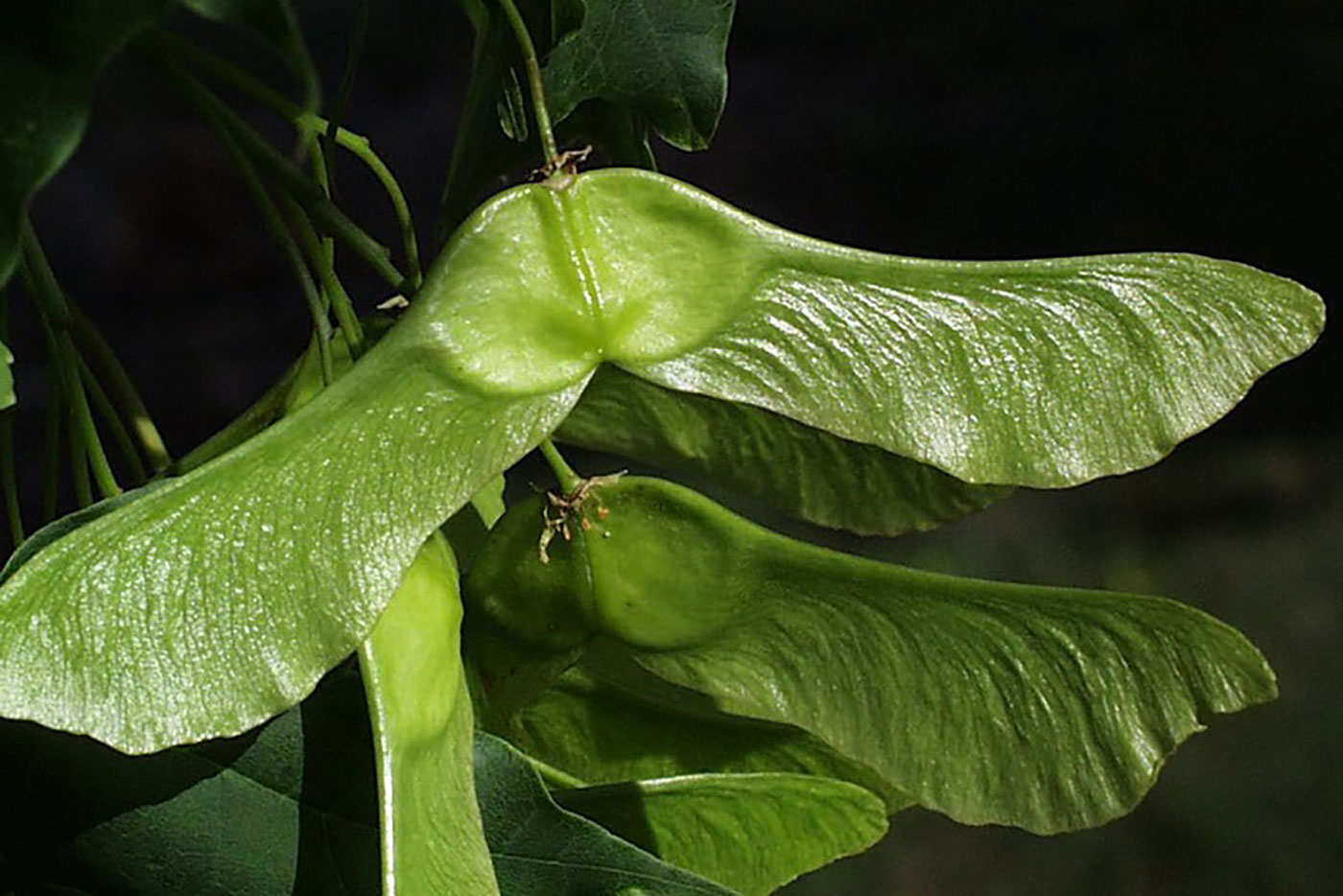
Norway maple is a fast growing deciduous tree that commonly reaches heights of 40-50 feet but it may grow as tall as 100 feet in optimal conditions. The tree has an oval or rounded crown with a dense canopy. The standard color of Norway maple is green, but many cultivars exist including yellow and deep-purple morphs. Similar in appearance to the native sugar maple, the leaves of Norway maple are simple, opposite, and palmate with 5 lobes. Leaf veins or stalk will ooze a white milky sap when broken, a distinguishing characteristic that is not present in native maple species. The flowers are small, yellowish-green, and appear in May. They mature into a double-winged samara that ripens in autumn.
Habitat
Norway maple is frequently cultivated in urban and suburban environments. Plants escape into adjoining natural areas via wind dispersed seeds. The tree is well adapted to a variety of site conditions and can be found in forests, along riparian corridors, in forested wetlands and rights-of-way.
NYS Distribution Map
NOTE: If you receive a “sign in” message, click cancel to continue. Confirmed observations of Water chestnut submitted to the NYS Invasive Species Database. For more information, visit iMapInvasives
Identification
Much like sugar maples, Norway maple leaves have five lobes with smooth edges, but the leaf stems release a milky white sap when removed from the branch. The trees also produce a double-wing samara fruit at nearly an 180-degree angle.
Impact
Often planted as an ornamental species, Norway maple produces a large number of seeds that are spread by wind. In natural areas, Norway maple can outcompete native Acer species, decreasing forest biodiversity. Research suggests that Norway maple infestations decrease wildflower diversity in invaded habitats.
Prevention and Control
Do not plant Norway maple. Small plants can be removed by hand pulling or digging. Larger or mature trees can be cut down, girdled, or treated with herbicide. Glyphosate can be used for cut stump or hack & squirt treatments, while triclopyr is effective for cut stump, basal bark, or hack and squirt techniques.
Native Lookalikes
Norway maple closely resembles native sugar maple.


